Carbon Integrity
NFCF treats carbon benefit as a whole-landscape question, comparing biomass gains with soil, peat, methane, fire, mortality, and recovery losses.
Northern Forest Carbon Futures Initiative
The NFCF initiative provides a shared framework for assessing where northern forest carbon actions are credible, where safeguards are needed, and where uncertainty is too high to support climate claims.
NFCF connects climate-carbon modelling, forest ecology, permafrost science, wildfire risk, biodiversity safeguards, measurement readiness, geospatial decision support, and governance-sensitive communication.
The initiative focuses on the Northwest Territories, Taiga Plains, and Taiga Shield West because these landscapes combine major carbon importance with rapid warming, permafrost thaw, peatland and wetland sensitivity, fire exposure, sparse field data, and difficult monitoring conditions.


NFCF treats carbon benefit as a whole-landscape question, comparing biomass gains with soil, peat, methane, fire, mortality, and recovery losses.
Forest actions are screened for native regeneration, species suitability, soil organic-layer protection, habitat continuity, and long-term resilience.
Permafrost, thermokarst, ground ice, wetness, wildfire, access, monitoring burden, and slow northern growth are treated as first-order constraints.
Maps and tools distinguish technical suitability from consent, authority, governance, partnership readiness, and public communication limits.
Tests when Northwest Territories boreal-Arctic landscapes may shift from carbon sinks to sources as permafrost thaw, peatland change, methane-relevant pathways, wildfire, and vegetation recovery interact.
Builds a transparent safeguards framework for post-fire regeneration support, avoided conversion, carbon-rich forest-wetland protection, and improved forest management in the Northwest Territories.
Assesses whether forest-sector mitigation and carbon-removal options in Taiga Plains and Taiga Shield West are credible, feasible, durable, and measurable enough for net-zero planning.
Compile climate, forest, peatland, wetland, fire, permafrost, access, and monitoring layers.
Classify landscapes against albedo, thaw, wildfire, biodiversity, methane, and governance-sensitive caveats.
Deploy ground-based sensors, soil sampling, flux measurements, and robotic surveys to ground-truth remote sensing and northern models.
Compare plausible carbon gains with below-ground, disturbance, implementation, and measurement risks.
Route maps and public-facing products through scientific, northern, and Indigenous-facing advisory pathways where relationships exist.
Release documented workflows, scorecards, briefs, map packages, manuscripts, and reproducibility materials.
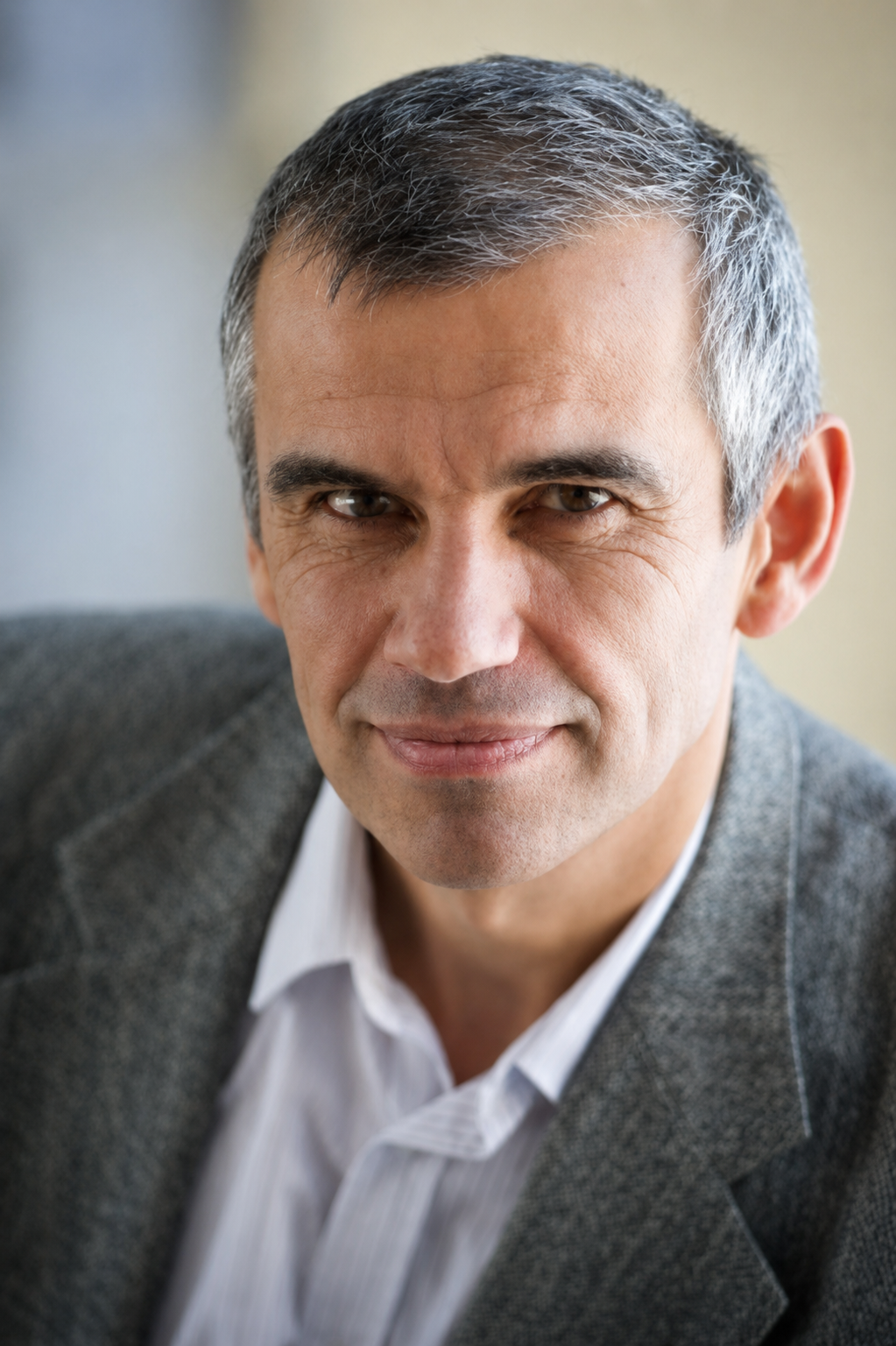
University of Waterloo
Project lead and Professor of Earth and Environmental Sciences at the University of Waterloo. With an extensive prior background in mathematical modelling, carbon sequestration, and environmental systems analysis, he provides overall scientific leadership across climate mitigation, systems risk, and the synthesis of carbon, albedo, disturbance, biodiversity, and permafrost safeguards.

University of Waterloo and Polytechnique Montreal
Senior partner and Adjunct Professor at Polytechnique Montréal and University of Waterloo. Fellow of the Canadian Academy of Engineering and the Royal Society of Canada, bringing decades of executive background in aerospace, clean technology, and Arctic engineering to lead cryosphere physics, permafrost dynamics, methane MRV tiering, and policy translation.
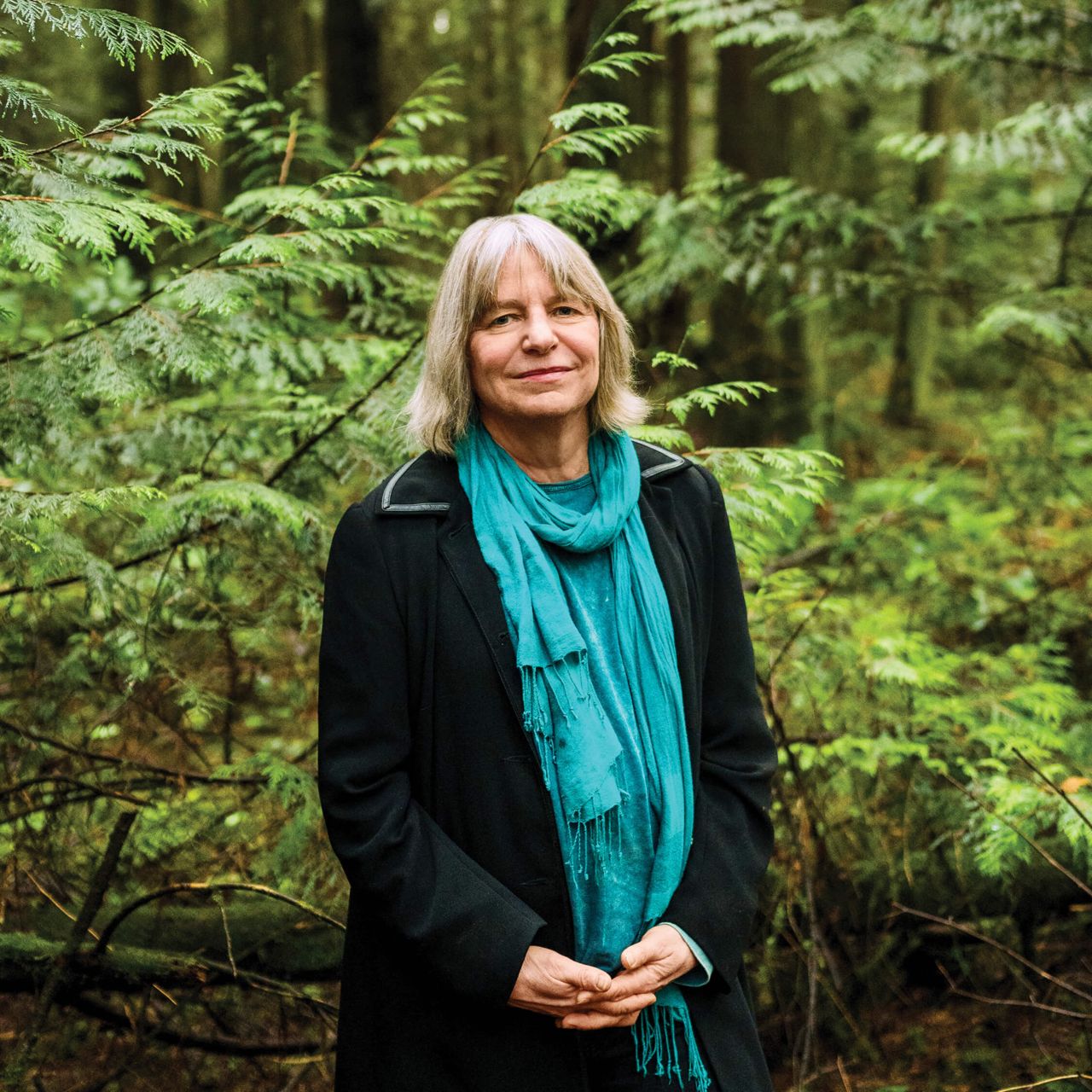
University of British Columbia
Forest ecology partner and Professor of Forest and Conservation Sciences at UBC, leading the Mother Tree Network. A world-renowned pioneer in plant communication and below-ground ecosystems, her extensive background guides ecological realism, native species suitability, mycorrhizal network resilience, post-fire disturbance recovery, and biodiversity safeguards.

Polytechnique Montreal
Northern infrastructure specialist and Associate Professor of Civil Engineering at Polytechnique Montréal, directing the Laboratory on Cold Regions Engineering. Drawing on her prior background in wave mechanics and cryothermal geotechnical modelling, she contributes permafrost physical-risk screens, ground-stability assessments, and field-measurement priorities.
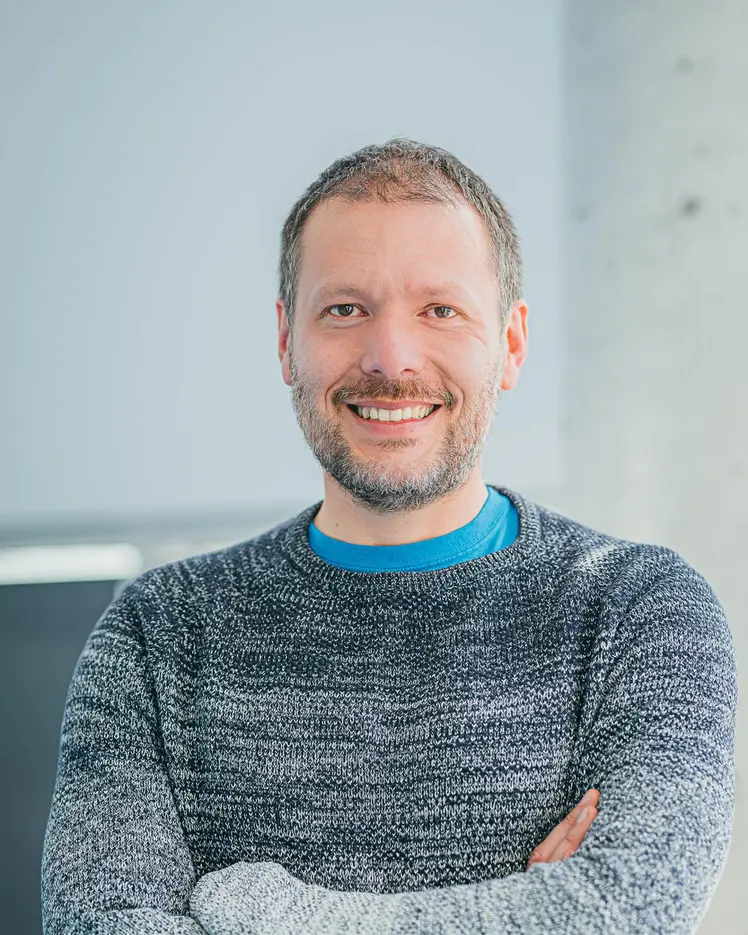
Polytechnique Montreal
Autonomous sensing lead and Professor of Computer and Software Engineering at Polytechnique Montréal, directing MIST Lab. With prior space robotics background at the European Space Agency, his expertise in AI, swarm robotics, and collaborative SLAM drives drone and tracked-robot deployments for northern MMRV readiness.
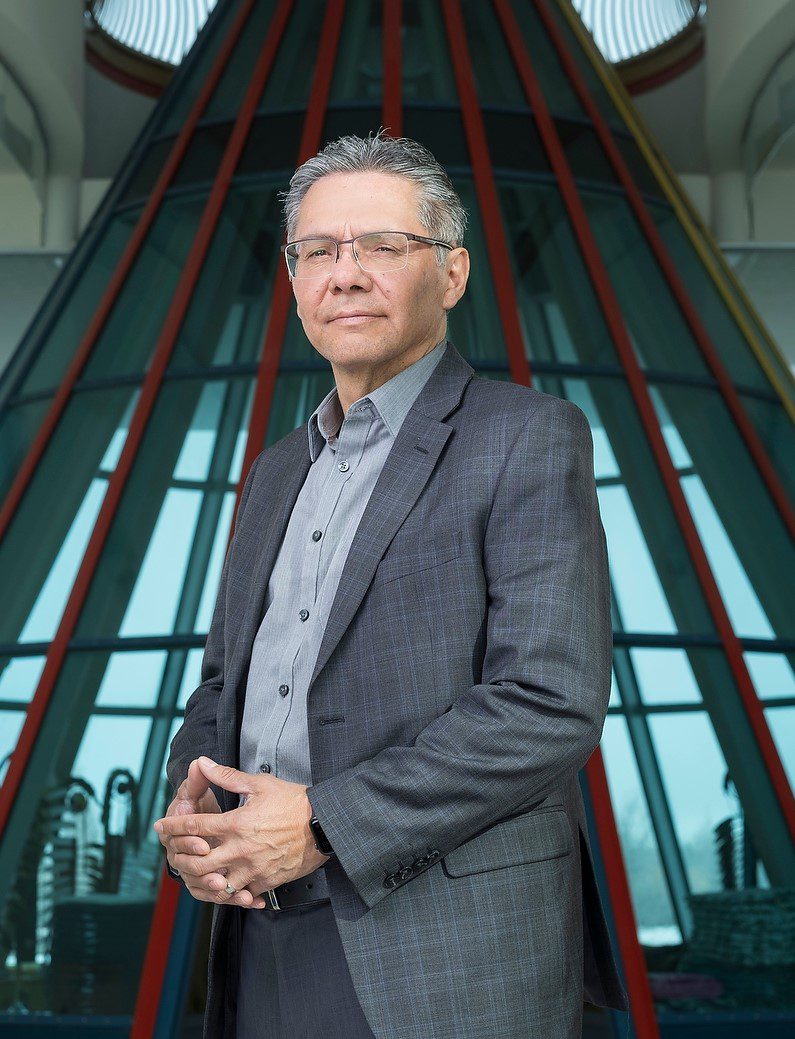
First Nations University of Canada
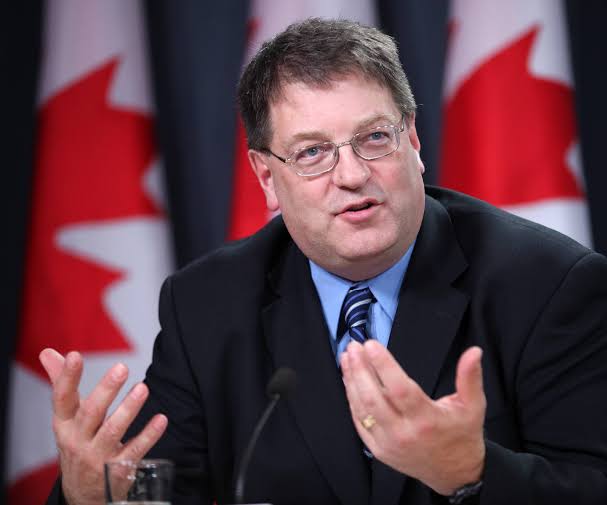
Senior advisor and Professor and Vice President Academic at First Nations University of Canada. A distinguished scholar in Indigenous entrepreneurship and institutional governance, his extensive prior background in community economic development and capacity building guides responsible engagement, strategic partnerships, and governance interfaces.
University of Saskatchewan
Public policy advisor and Distinguished Professor Emeritus at the University of Saskatchewan. Former Canada Research Chair in Regional Innovation, his career spans decades of authoritative research and policy analysis on northern innovation, Indigenous-Crown relations, and regional development to support ethical net-zero interpretation.

Canadian Academy of Engineering
Knowledge-mobilization partner and Executive Director of the Canadian Academy of Engineering. Bringing over 35 years of executive background bridging academic research, clean technology commercialization, and government policy, he leads expert convening, executive briefings, and the translation of complex models into public tools.
Northern Forest Carbon Futures Initiative